


Titanium Alloy Is Built for Harsh Industries
Titanium alloy is widely used in industries where strength, corrosion resistance, and reliability are critical. If you work with oilfield equipment, aerospace components, marine systems, chemical processing equipment, or high-performance industrial parts, you will often see titanium alloy selected for demanding applications.
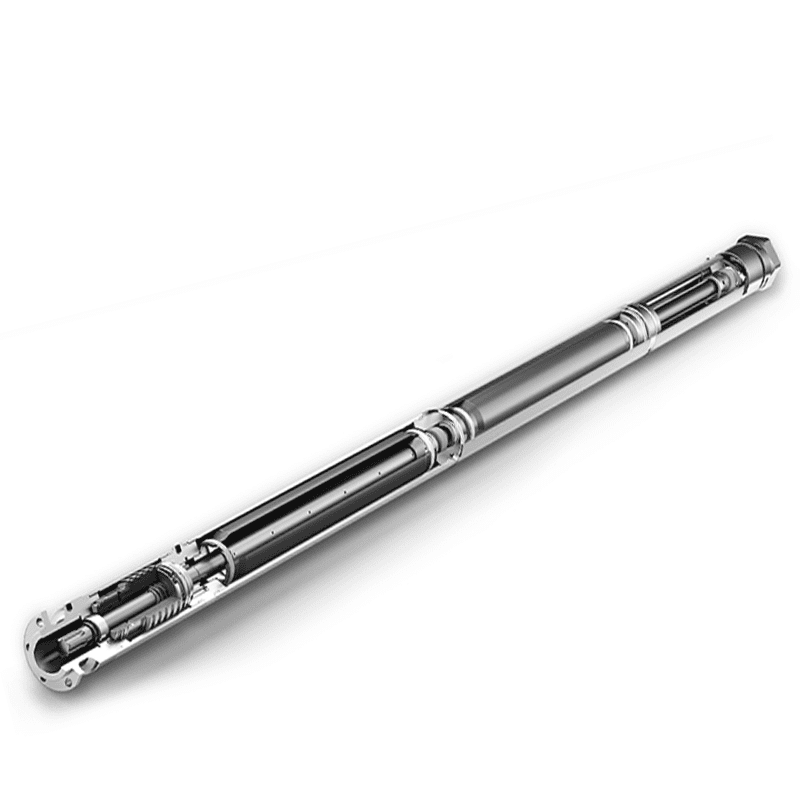
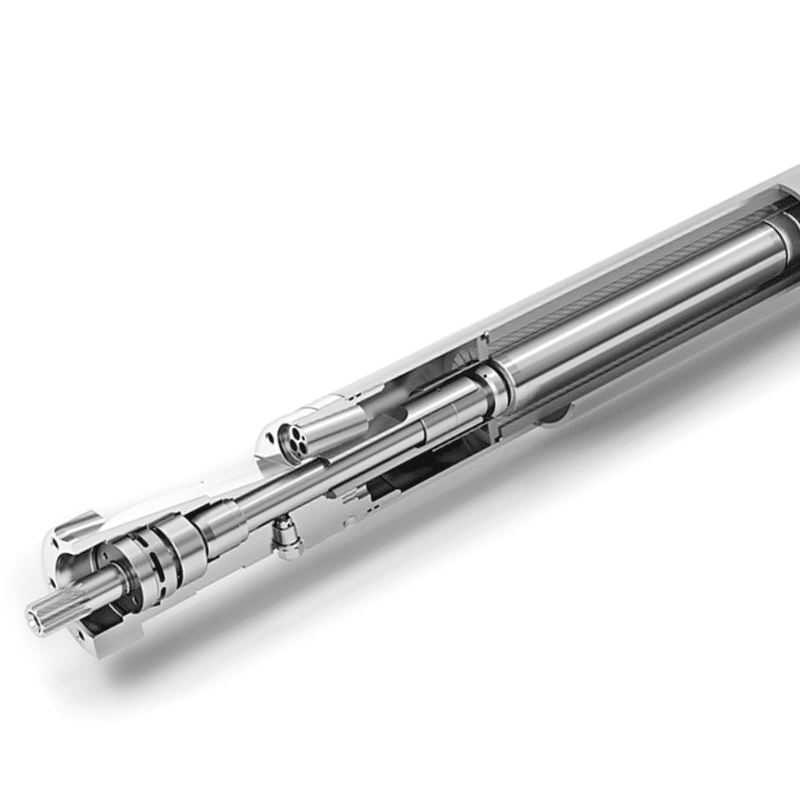
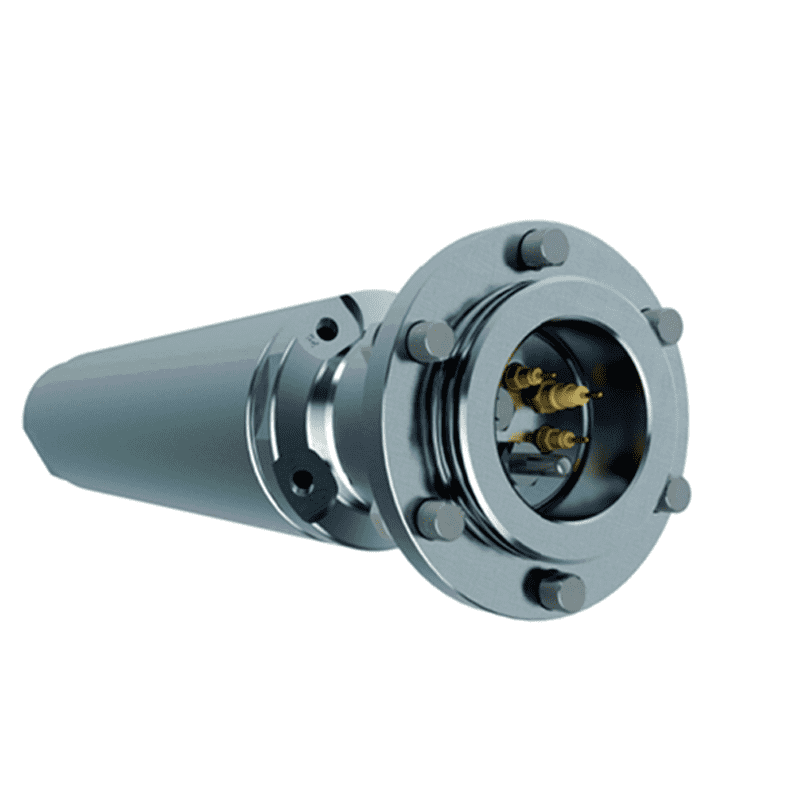
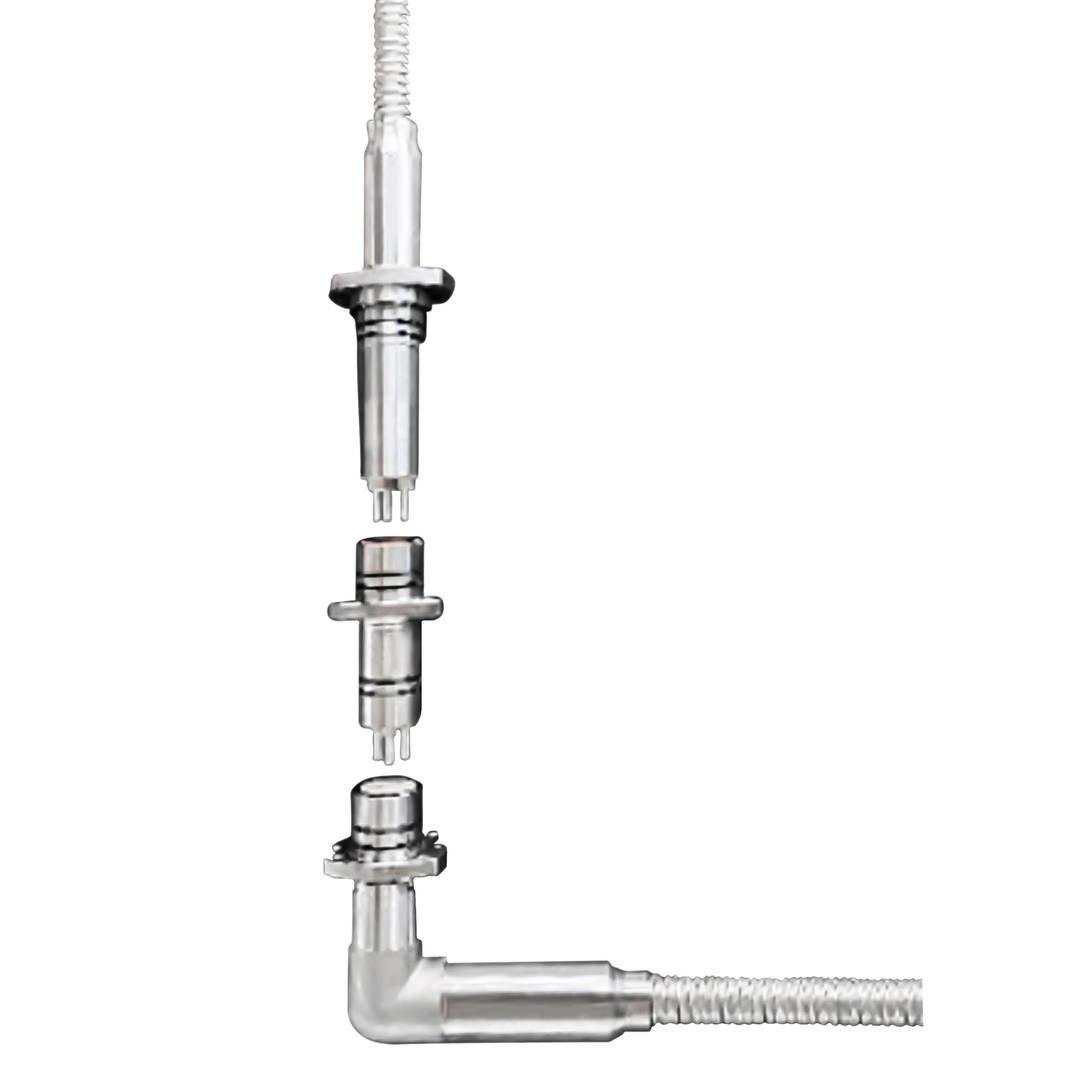
In the oil and gas industry, titanium alloy can be used for downhole tool components, high-pressure connectors, pump parts, valve parts, sensor housings, precision fittings, subsea components, and customized oilfield machining parts. These components may face high pressure, high temperature, H₂S, CO₂, chloride corrosion, vibration, and limited installation space.
You do not choose titanium alloy because it is easy to process. You choose it because it can perform in harsh environments where ordinary materials may not be reliable enough.
Is Titanium Alloy Hard to Machine?
Yes, titanium alloy is hard to machine.
The main reason is that titanium alloy has low thermal conductivity. During CNC machining, heat stays near the cutting area instead of being removed quickly. This causes faster tool wear and makes surface quality harder to control.
Titanium alloy can also react with cutting tools at high temperatures, creating adhesion, built-up edge, and unstable cutting performance. In addition, titanium alloy has a work-hardening tendency. If cutting parameters are not controlled correctly, the machined surface may become harder, making the next machining step more difficult.
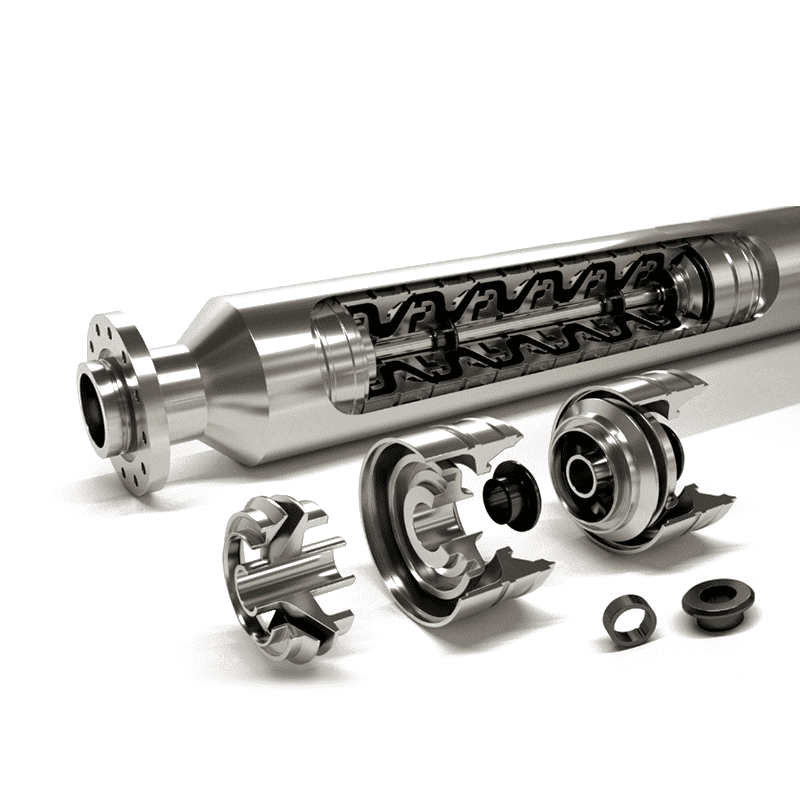
Deep hole machining is even more challenging. When you machine deep holes in titanium alloy, you may face chip evacuation problems, heat accumulation, tool deflection, hole deviation, poor internal surface roughness, and tool breakage. For oilfield parts, these holes are often functional channels for pressure, fluid flow, or assembly. They must be straight, clean, smooth, and accurate.
How Meckwell Solves Titanium Alloy Machining Problems
Although titanium alloy is difficult to machine, Meckwell has accumulated practical experience in titanium alloy CNC machining, especially for oilfield components with strict requirements for deep hole machining, surface roughness, dimensional accuracy, and functional reliability.
When you send a titanium alloy drawing to Meckwell, we do not only check the basic dimensions. We review the material behavior, part structure, tolerance requirements, surface finish, hole depth, clamping risk, tool access, inspection method, and final working environment.
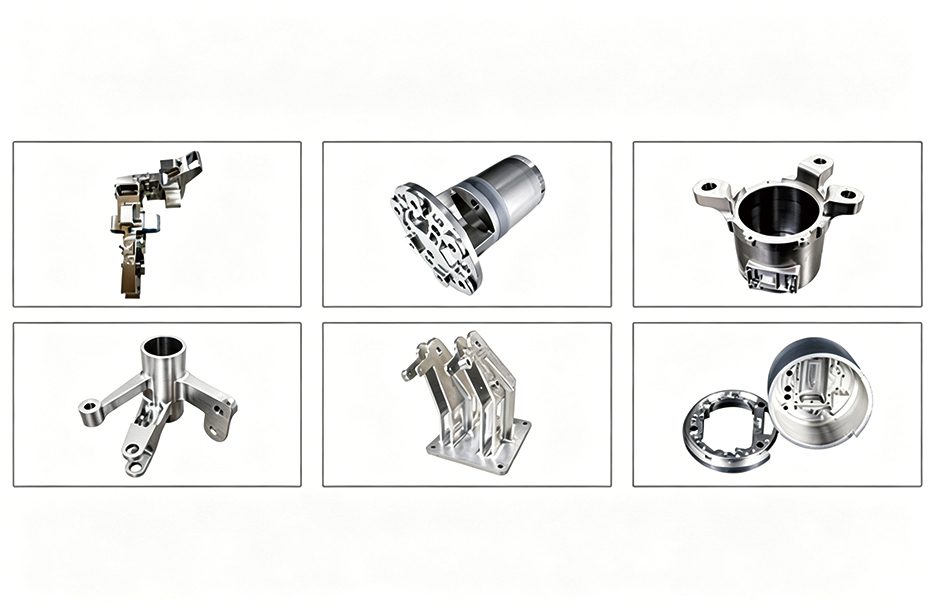
Meckwell can support titanium alloy machining, stainless steel machining, aerospace aluminum machining, high-temperature alloy machining, and nickel-based alloy machining. Our services include rough machining, semi-finishing, precision finishing, deep hole machining, customized oilfield parts machining, and complex CNC component processing.
Meckwell can also process different types of impellers, including titanium impellers, aluminum impellers, stainless steel impellers, high-temperature alloy impellers, and nickel-based alloy impellers. We support five-axis CNC impeller machining, including production, rough machining, semi-finishing, and precision finishing.
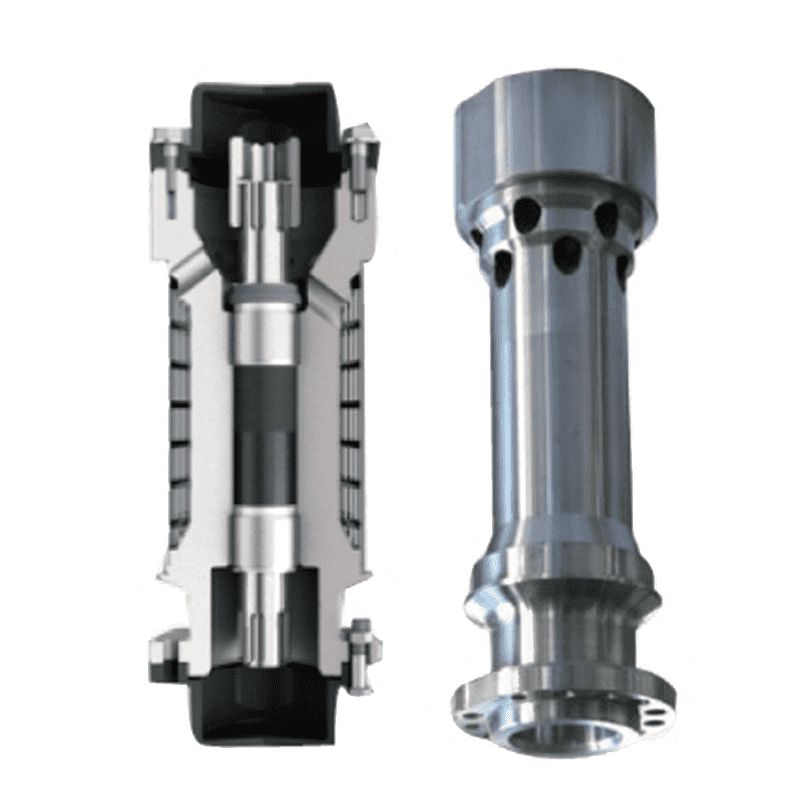
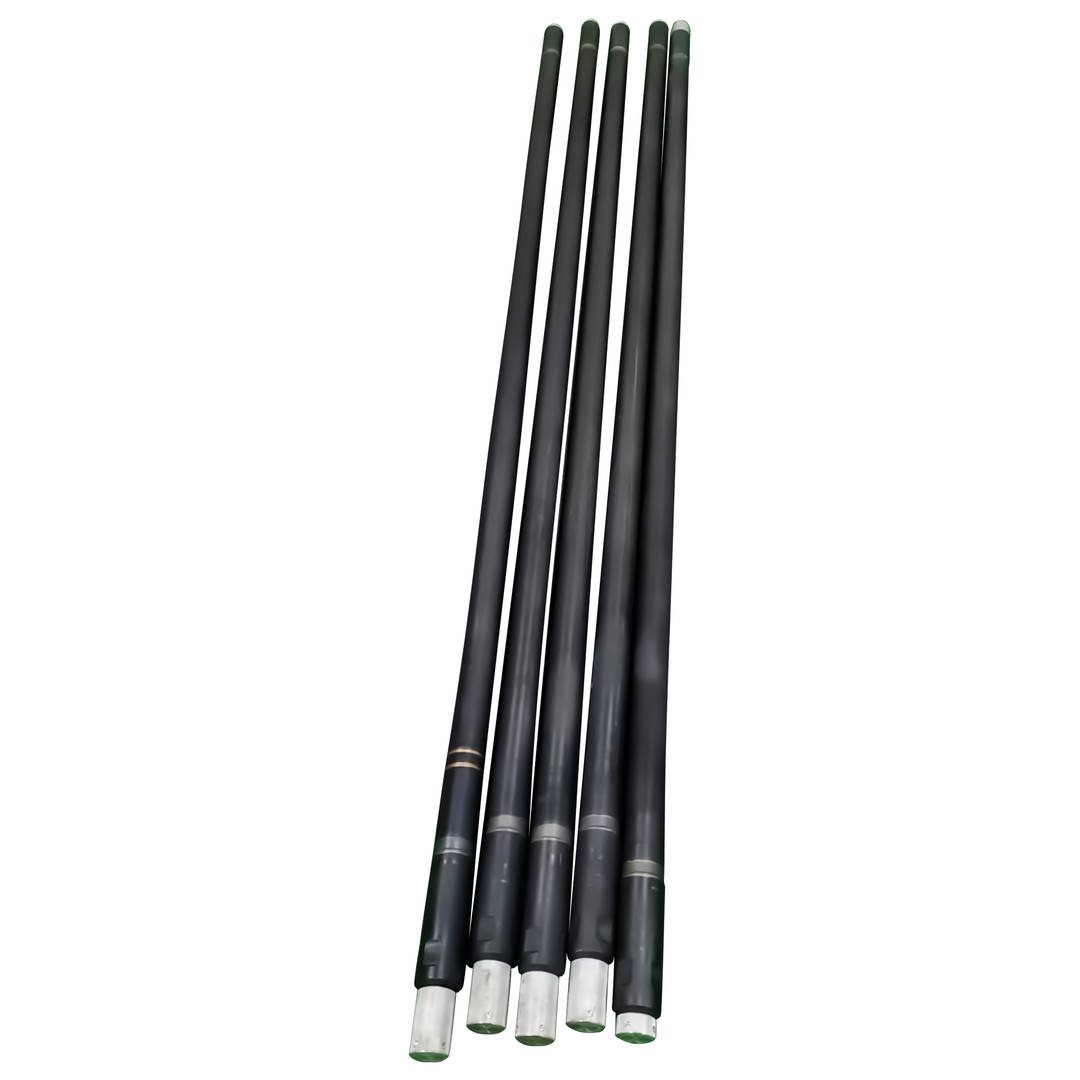
In addition, Meckwell provides shaft processing for titanium alloy, stainless steel, aerospace aluminum, high-temperature alloy, and nickel-based alloy materials. For oilfield pumps, rotating assemblies, and downhole tools, shaft quality directly affects equipment stability and service life.
Oilfield Case: Titanium Alloy Connector for Downhole Equipment
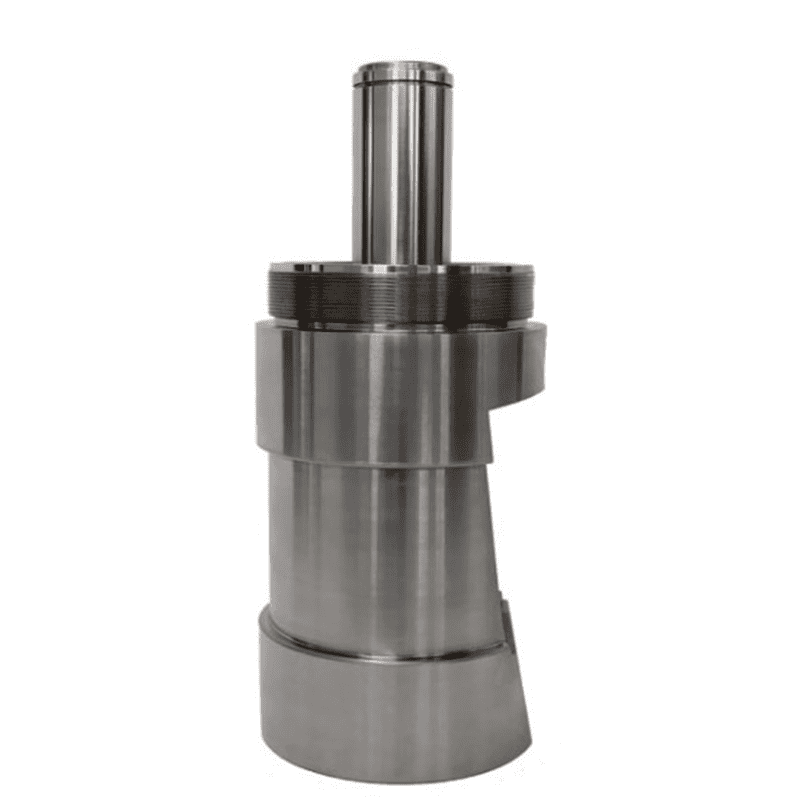
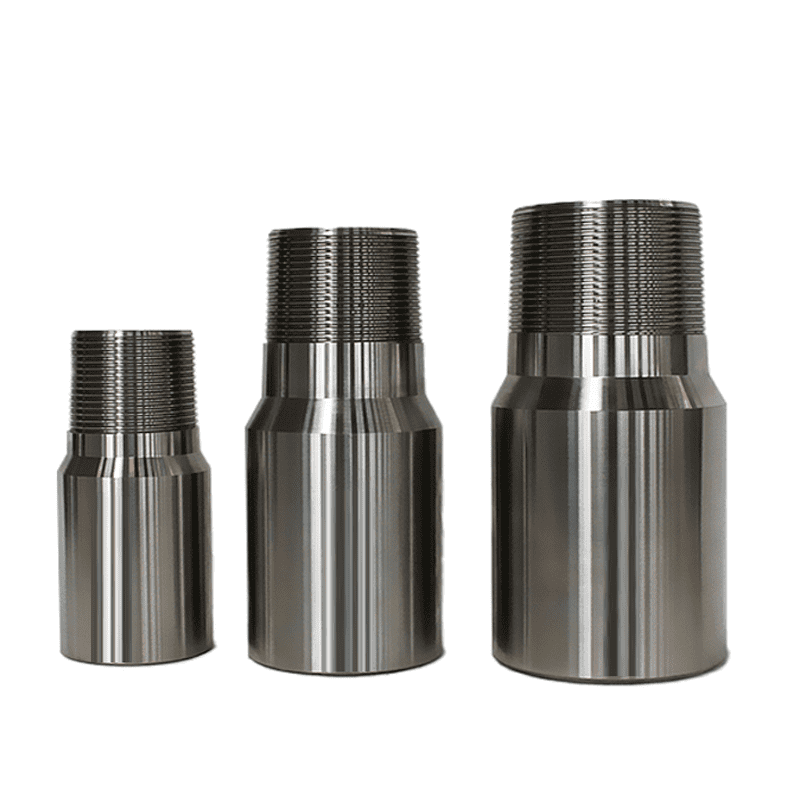
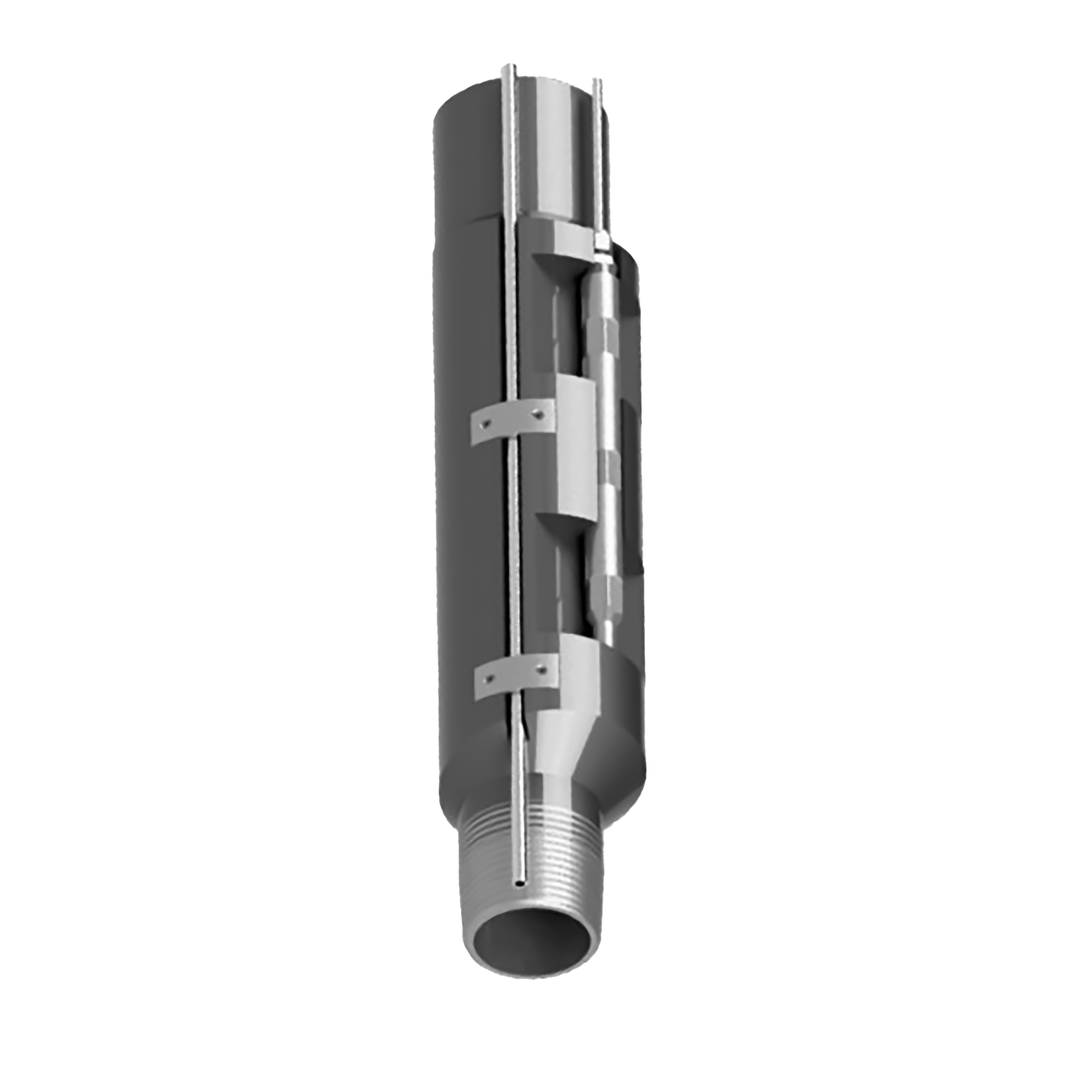
A customer once needed a customized titanium alloy connector for a downhole oilfield device. The part had high requirements for both surface roughness and deep hole accuracy. From the outside, the component looked simple, but the machining difficulty was high.
The internal hole needed to be straight, smooth, and clean. The external connection dimensions also had to meet strict tolerance requirements. During production, several risks had to be controlled, including hole deviation, rough internal surface, chip blockage, tool wear, heat buildup, and deformation during clamping.
Meckwell reviewed the drawing carefully, optimized the machining route, selected suitable tools, controlled cutting parameters, and arranged inspection points during production. Finally, the titanium alloy connector met the customer’s requirements for deep hole quality, surface roughness, and dimensional accuracy.
This case shows one important point: titanium alloy machining is not solved by machines alone. It requires material understanding, process planning, tooling strategy, machining discipline, and quality inspection.
Titanium Alloy Is Difficult, But Meckwell Can Complete It
When you choose a supplier for titanium alloy machining, you should not only ask whether they have CNC machines. You should ask whether they understand titanium alloy, whether they can control deep hole machining, whether they can manage surface roughness, whether they can reduce tool wear risk, and whether they can inspect critical dimensions before delivery.
Titanium alloy is hard to machine. That is true. But difficult does not mean impossible.
With the right engineering team and machining experience, titanium alloy can become a reliable material for demanding oilfield applications. Whether your project involves downhole connectors, deep hole parts, impellers, shafts, or customized oilfield machining components, Meckwell can help you turn difficult titanium alloy drawings into stable, manufacturable, and high-quality components.